


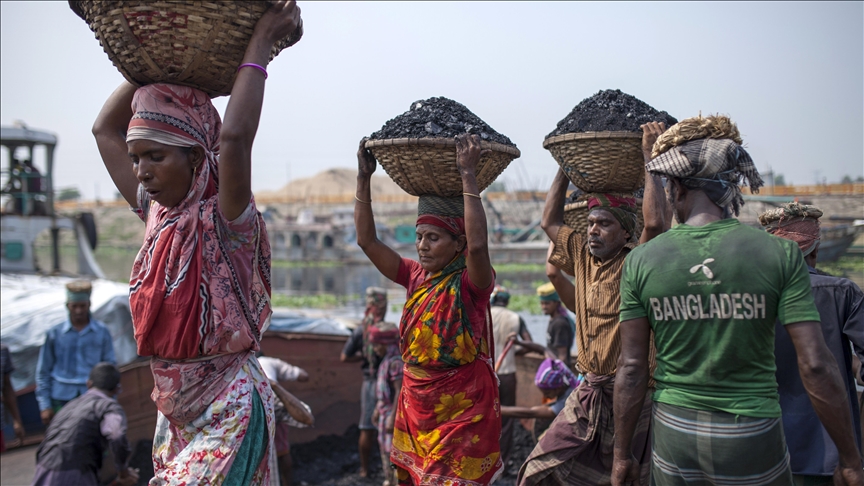
Gender-responsive policies intentionally incorporate considerations related to gender norms, roles, and relationships into their design, implementation, and outcomes. These policies aim to address the unique needs of individuals of all genders, valuing diverse perspectives and experiences. They empower women and girls by recognising differences and promoting equitable access to resources. While benefiting all genders, gender-responsive policymaking focuses on specific needs and priorities, addressing harmful norms that perpetuate gender inequalities. Inclusivity extends to subgroups within the larger framework of gender responsive policies, accounting for variations in youth, elderly, disabled individuals, minorities, etc. Engaging multiple stakeholders and equipping policy administrators with the necessary skills is vital for effective gender-sensitive policy development process. Notably, UN Sustainable Development Goals intersect with gender equality and responsive policy, reinforcing their interconnectedness.
The major policy initiatives, aimed at pursuing gender equity, taken by the government of Bangladesh are the National Women Development Policy 2011, Gender Policy 2016, Domestic Violence (Prevention and Protection) Act, 2010, Child Marriage Restraint Act, 2017 and National Children Policy 2011. Moreover, there are several rules and regulations under different policies to promote SHE-trade.
The National Plan documents include an adequate amount of gender-responsive policies. For instance, the 8FYP focuses on promoting mother and child benefit programmes, boosting the economic engagement of women, elevating women’s voices, building the enabling environment, and improving women’s capacities. The 8FYP seeks to build a more just and affluent society by employing tactics and measures that tackle societal norms and defend women’s rights. The issue of girl child development is addressed separately in child development policies and laws. The National Child Policy 2011 gives special attention to the well-being of the girl child. Measures such as preventing child marriage, providing security to disabled girls, ensuring safe recreational facilities, addressing abuse, and promoting mental health and safety are emphasised in this policy.
The National Women’s Development Policy was adopted in 1997 and amended in 2011. The policy focuses on the empowerment of women, including young girls, preventing child marriage, and providing secure access to recreational, cultural, and sports facilities. The policy includes a specific section on measures to stop violence against women and ensure the safety of women and girls, that invokes for the state to outlaw all manifestations of this violence, including acid attacks, dowry-related violence, rape, sexual harassment, physical and mental abuse, family abuse, and public and workplace harassment. There is a combination of policies and Acts that consists of segments dealing with violence against women in public spaces such as the Acid Crime Control Act 2002, the Acid Control Act 2002, the Domestic Violence (Prevention and Protection) Act 2010 etc. Under the Domestic Violence (Protection and Preservation) Act 2010, the Ministry of Women and Children Affairs developed the Domestic Violence (Protection and Preservation) Rules, 2013, to ensure equal rights and to prevent all forms of discrimination in all spheres of public life and the state.
Furthermore, the National Action Plan to Prevent Violence Against Women and Children (2013-2025) tackles an array of types of violence. One-stop Crisis Centre (OCC), National Trauma Counseling Centre, VAW Database, Women-friendly hospital in 10 districts and 3 Upazilas, a special division in police to help women are some of the few initiatives under this plan in collaboration with other government and non-government organisations. The plan also includes policies and plans to provide legal facilities, create social awareness, and advance women’s socioeconomic status.
The Constitution of Bangladesh establishes fundamental rights including equality, protection from degrading treatment, and the right to work. The country has ratified international human rights treaties like CEDAW, ensuring freedom from gender discrimination and harassment. However, laws aimed at protecting women’s rights have faced challenges in implementation due to legal inadequacies, limited access to justice, cultural barriers, governance issues, and socioeconomic factors. There are some human rights and non-governmental organisations that lack the resources and strategies which narrows their scope of contribution towards promoting women’s access to justice effectively.
The National Education Policy 2010 focuses on women’s education, but the translation of education into workforce participation is hindered by family constraints, early marriage, infrastructure issues, and societal biases. The National Skill Development Policy 2020 aims to address these challenges but has yet to be fully implemented.
The absence of a comprehensive policy for Sexual and Reproductive Health and Rights (SRHR) contributes to fragmented approaches. Laws like the Dowry Prohibition Act and the Acid Crime Prevention Act combat violence against women, but their relevance might be limited by outdated provisions. The gender disparity in Bangladesh stems from limited access to resources, unequal distribution of domestic labour (women spending more time on care work), and insufficient recognition of women’s contributions. Initiatives like satellite accounts can help acknowledge unpaid care work and advance gender equality.
In terms of economic participation and opportunities, Bangladesh’s Global Gender Gap ranking is relatively low compared to other indices. While there are laws for social empowerment and issues like child marriage, implementation remains a challenge. For instance, the target for 7FYP was to reduce child marriage from 65 to 30 per cent, but it has only been reduced to 51.4 per cent.
In conclusion, while there are several gender sensitive policies in Bangladesh, the effectiveness of those policies is less than satisfactory due to lack of implementation. Effectively implementing policies and initiatives to empower women in numerous social, cultural, and political spheres requires collaboration among relevant stakeholders such as government organisations, NGOs, policymakers, and the private sector.
The article was first published in The Financial Express, on 13 October 2023