All Blog
Innovative, independent, peer-reviewed. Explore the latest economic research and policy proposals from SANEM’s global development experts.
- Blog Post
- Dr Selim Raihan
- Feb 3, 2026
- Blog Post
- Sultana Yeasmin
- Jan 15, 2026
- Blog Post
- Dr Selim Raihan
- Jan 7, 2026
Economic Impacts of AMR
SANEM set out to estimate the future economic burden of antimicrobial resistance (AMR) by 2050. We looked at the impact of AMR on four sectors of the economy: health system, the labour market, tourism, and domestic hospitality. We also estimated the return on investment of several interventions to prevent AMR.
Subscribe today to receive SANEM latest newsletters and topic updates.
All Blog
Filter
8 posts found
Topic
Author
Content Type
Time Frame
- Blog Post
Bangladesh’s Poverty Reversal: Causes and Policy Priorities
- Mahtab Uddin
- Jan 7, 2026
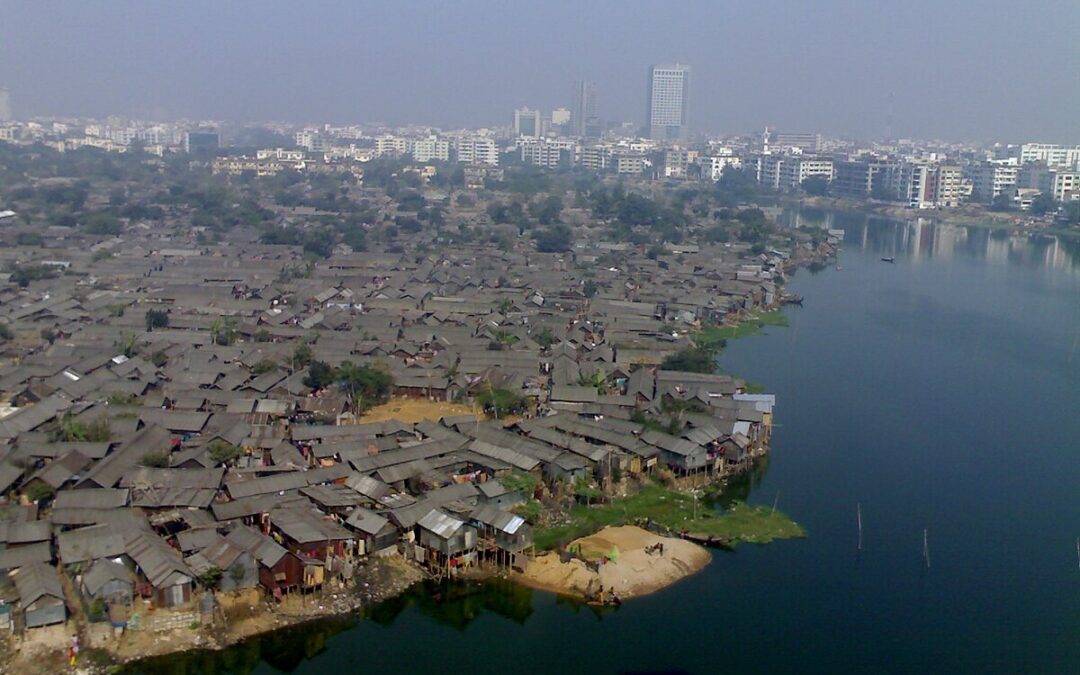
Bangladesh’s poverty rate fell from about half the population in the 1990s to one-fifth by 2019. However, this progress proved fragile. COVID-19 and related measures disrupted jobs, enterprises, remittance flows, and supply chains. Estimates show sharp, temporary poverty increases during 2020–21. Recovery [....]
- Blog Post
Youth Readiness in an Evolving Job Market
- Ekramul Hasan, Md Razib
- Aug 18, 2025
To guide youth development efforts, the National Youth Policy 2017 was developed, which defines youth as individuals aged 18–35. In contrast, the Bangladesh Bureau of Statistics (BBS) defines youth as those aged 15–29. Considering both definitions, more than 35% of the country’s population falls within [....]
- Blog Post
A Paradigm Shift in Aid: What Does it Mean for the Global South?
- Mahtab Uddin
- Jul 1, 2025
For decades, the promise of global development was rooted in a simple idea: the world, though unequal, could move forward together. Richer countries would support poorer ones through aid, trade, and investment, not out of charity, but out of shared interest and historical responsibility [....]
- Blog Post
Why Does Bangladesh Spend So Little on Education and Healthcare, and What Can Be Done?
- Mahtab Uddin
- Jan 9, 2025
In 1981 Bangladesh had 45 million people in the working age population in the range of 15-64. Male labour force participation was 84%. Female labour force participation was only 4.5%. Most of the workers were employed in the agricultural sector [....]
- Blog Post
Why have banks failed SMEs?
- Samantha Rahman
- Nov 24, 2022
Even before the pandemic, CFOs of small businesses struggled to get the insights they needed to manage their finances effectively. Even though banks are willing to help, they are facing an increasing number of complex cases of SME clients. It can be stated that identifying the challenges [....]
- Blog Post
Rethinking macroeconomic policy: from a neoliberal framework to a development perspective
- Dr Iyanatul Islam
- Jan 18, 2020
Neoliberal macroeconomics emerged in the advanced economies in the 1970s. It grew out of a debate between Keynesian economists and their critics (‘new classical’ economists). These ideas were exported to the developing world through the conduit of major financial institutions [....]
- Blog Post
Do education and skill development affect the transition from ‘good-enough’ job to ‘decent’ job?
- Dr Selim Raihan, Mahtab Uddin
- Dec 1, 2015
Majority of studies conducted on decent job primarily focused on the demand side issues. However, there is a need to explore the supply side issues as the composition of labor supply itself can be a determining factor in the status of decent job. This article follows the definitions [....]