Commentary
Innovative, independent, peer-reviewed. Explore the latest economic research and policy proposals from SANEM’s global development experts.
Economic Impacts of AMR
SANEM set out to estimate the future economic burden of antimicrobial resistance (AMR) by 2050. We looked at the impact of AMR on four sectors of the economy: health system, the labour market, tourism, and domestic hospitality. We also estimated the return on investment of several interventions to prevent AMR.
Subscribe today to receive SANEM’s latest newsletters and topic updates.
All Commentary
Filter
30 posts found
Content Type
Time Frame
- Blog Post
How costly are the impacts of climate change in Bangladesh?
- Dr Selim Raihan
- Feb 1, 2015
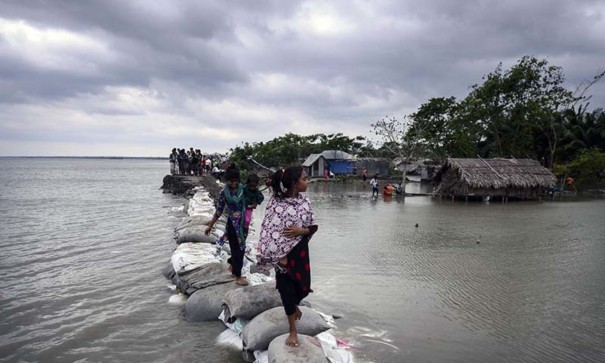
Bangladesh is highly vulnerable to climate change impacts because of its vast low-lying areas, large coastal population, high population density, inadequate infrastructure, and high dependence on natural resources. For Bangladesh, climate change manifests [....]
- Blog Post
How do public education and health spending reduce poverty?
- Dr Selim Raihan
- Dec 4, 2017
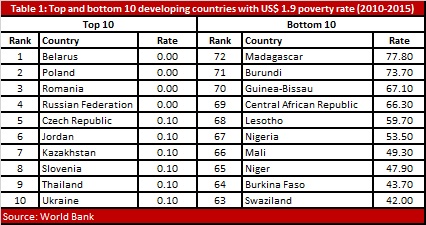
an recent decades, the developing world has made important progress in reducing extreme poverty. The data from the World Bank shows that the number of people living below the international poverty line of US$ 1.9 a day dwindled down from 1.85 billion people in 1990 to 768.5 million [....]
- Blog Post
The challenging economics of climate change
- Dr Selim Raihan
- Dec 9, 2018
Global climate change has become one of the dominant discourses in the scientific and public policy arena. Studies from scientific research show that the global warming is now a real phenomenon, as there has been an unusually rapid increase in Earth’s average [....]
- Blog Post
Bangladesh’s energy sector: Short-term success vs long-term sustainability
- Md Tuhin Ahmed, Sayed Arafat Zubayer
- Mar 23, 2023
Bangladesh’s existing energy and power sector relies heavily on imported primary fuel. More than half of the country’s electricity is generated through domestic natural gas and imported liquefied natural gas (LNG). The international primary energy market is becoming increasingly volatile, particularly as a result of the Russia-Ukraine war. [....]