Commentary
Innovative, independent, peer-reviewed. Explore the latest economic research and policy proposals from SANEM’s global development experts.
Economic Impacts of AMR
SANEM set out to estimate the future economic burden of antimicrobial resistance (AMR) by 2050. We looked at the impact of AMR on four sectors of the economy: health system, the labour market, tourism, and domestic hospitality. We also estimated the return on investment of several interventions to prevent AMR.
Subscribe today to receive SANEM’s latest newsletters and topic updates.
All Commentary
Filter
35 posts found
Content Type
Time Frame
- Blog Post
The Bitter Economics of Brain Drain
- Neeladri Naviya Noveli
- Oct 21, 2025
The exodus of highly educated youth from Bangladesh reveals a tangled web of barriers facing the country’s brightest minds. Poor quality of education, bureaucratic red tape, political instability, and lack of opportunities for growth are among the common reasons that drive thousands of young adults out of the country [....]
- Blog Post
From Growth to Stagnation: The Shifting Landscape of Bangladesh’s Manufacturing
- Dipa Das
- Nov 2, 2025
Bangladesh, once an agrarian economy, has undergone considerable structural changes over the past few decades. With a focus on industrialization, the country has transitioned from its reliance on agriculture to becoming one of the fastest-growing manufacturing hubs in South Asia. Over the past two decades [....]
- Blog Post
Bangladesh Needs a Two-Year Economic Recovery Agenda
- Dr Selim Raihan
- Nov 4, 2025
Bangladesh stands at a crossroads—again. The economy, once the envy of the developing world for its steady growth and poverty reduction, is now caught in a slow, uncertain transition. Growth has weakened, private investment has stalled, the poverty situation has regressed, and job creation has lost momentum. Inflation [....]
- Blog Post
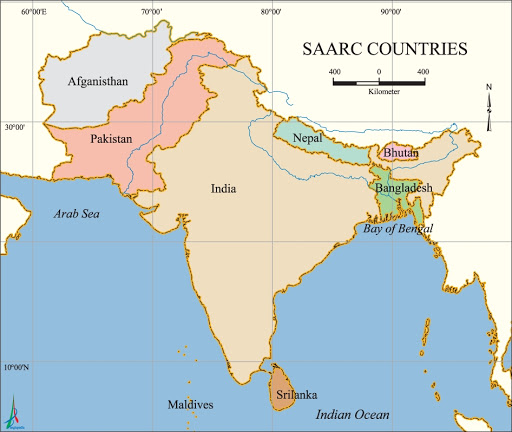
Energy Efficiency is Bangladesh’s Invisible Power Plant
- Mohammad Iftekharul Islam
- Nov 4, 2025
Every unit of energy saved carries more value than one produced, because imported fuel travels long distances, accumulates technical losses, and costs the country twice over. A kilowatt hour conserved at the source prevents the need for two kilowatt-hours of costly generation later. The International Energy Agency calls efficiency [....]
- Blog Post
COP30: A Milestone Marked by Missed Chances
- Dr Selim Raihan
- Dec 4, 2025
When the 30th session of the COP30 concluded on November 22, 2025, in Belém, Brazil, many left the Amazon-flanked venue with a sense that the summit had once again delivered more promise than payoff. On paper, the so-called Belém Package, a bundle of 29 decisions agreed by 195 Parties [....]