Commentary
Innovative, independent, peer-reviewed. Explore the latest economic research and policy proposals from SANEM’s global development experts.
Economic Impacts of AMR
SANEM set out to estimate the future economic burden of antimicrobial resistance (AMR) by 2050. We looked at the impact of AMR on four sectors of the economy: health system, the labour market, tourism, and domestic hospitality. We also estimated the return on investment of several interventions to prevent AMR.
Subscribe today to receive SANEM’s latest newsletters and topic updates.
All Commentary
Filter
11 posts found
Content Type
Time Frame
- Blog Post
Streamlining food market: Introducing AMIS
- Jonead, Md. Jahid Ebn Jalal
- Mar 18, 2020
Bangladesh is primarily an agrarian economy. Agriculture is the largest productive sector of the economy employing around 50 percent of the total labour force. Performance of this sector has a tremendous impact on major macroeconomic goals such [....]
- Blog Post
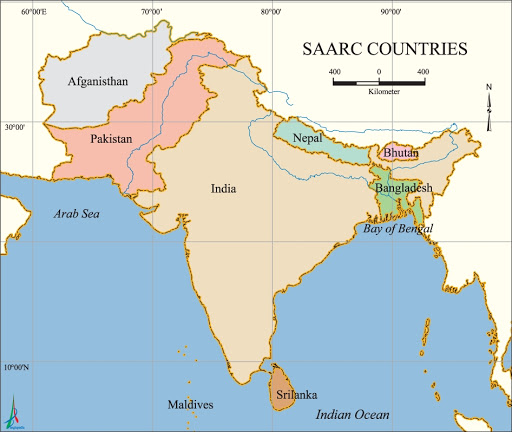
Can BIMSTEC rise to meet the new challenges?
- Achyut Bhandari, Dr Selim Raihan, Ganeshan Wignaraja, Nihal Pitigala, Posh Raj Pandey, Prabir De, Watcharas Leelawath
- Apr 10, 2022
The 5th summit of the Bay of Bengal Initiative for Multi-Sectoral Technical and Economic Cooperation (BIMSTEC) ended on March 30, 2022, in Colombo, Sri Lanka. The summit adopted a charter for the first time since its inception in 1997 and signed three memorandums [....]
- Blog Post
What’s in store for our agricultural production potentials?
- Afia Mubasshira Tiasha
- Mar 5, 2023
Since independence, Bangladesh has gone through waves of development. The population has almost tripled since 1974, and the overall area of cultivable land has been on the decline due to population pressure. According to the World Bank data, the total area of arable land [....]
- Blog Post
Renewable energy in budget FY 23-24: understanding the shortfall
- Mohammad Asaduzzaman, Omar Raad Chowdhury
- Oct 22, 2023
Bangladesh aims to generate 40% electricity from renewable sources by 2041. However, the previous target of producing 10% of total electricity from RE by 2020 is far from being realised. Currently, only 3.7% of the total energy mix consists of renewable sources [....]
- Blog Post
Gender-responsive policies: Bangladesh perspective
- Afia Mubasshira Tiasha, Eshrat Sharmin
- Oct 30, 2023
Gender-responsive policies intentionally incorporate considerations related to gender norms, roles, and relationships into their design, implementation, and outcomes. These policies aim to address the unique needs of individuals of all genders, valuing diverse perspectives and experiences [....]