Commentary
Innovative, independent, peer-reviewed. Explore the latest economic research and policy proposals from SANEM’s global development experts.
Economic Impacts of AMR
SANEM set out to estimate the future economic burden of antimicrobial resistance (AMR) by 2050. We looked at the impact of AMR on four sectors of the economy: health system, the labour market, tourism, and domestic hospitality. We also estimated the return on investment of several interventions to prevent AMR.
Subscribe today to receive SANEM’s latest newsletters and topic updates.
All Commentary
Filter
6 posts found
Content Type
Time Frame
- Blog Post
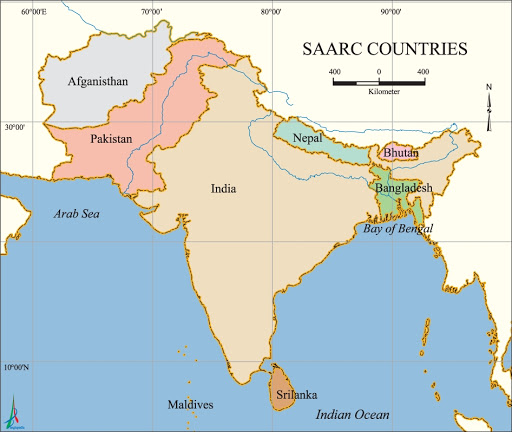
Can BIMSTEC rise to meet the new challenges?
- Achyut Bhandari, Dr Selim Raihan, Ganeshan Wignaraja, Nihal Pitigala, Posh Raj Pandey, Prabir De, Watcharas Leelawath
- Apr 10, 2022
The 5th summit of the Bay of Bengal Initiative for Multi-Sectoral Technical and Economic Cooperation (BIMSTEC) ended on March 30, 2022, in Colombo, Sri Lanka. The summit adopted a charter for the first time since its inception in 1997 and signed three memorandums [....]
- Blog Post
Challenges and the opportunities for women’s participation in the construction sector
- Dipa Das, Eshrat Sharmin
- Jun 3, 2024
Bangladesh’s economy has witnessed remarkable growth, solidifying it as one of the fastest-growing economies worldwide. According to Bangladesh Economic Review 2023, the construction sector significantly contributes to this growth, accounting for approximately 6.41% of the [....]
- Blog Post
Breaking Boundaries: Shift from Unpaid Work to Self-Employment
- Dipa Das, Ekramul Hasan, Md Tuhin Ahmed
- Feb 2, 2025
Bangladesh has been going through a demographic window of opportunity since 1991 but is yet to reap its potential benefits. The national unemployment rate, which is around 3.5 per cent according to the Quarterly Labour Force Survey (QLFS) 2022, might indicate Bangladesh [....]
- Blog Post
Diversifying Female Employment Beyond the RMG Sector
- Dipa Das, Ekramul Hasan
- Feb 2, 2025
Bangladesh’s female labour market is predominantly characterized by informal employment, which accounts for 96.6% of total female employment. Although women’s participation in the labour force has increased from 36.3% in 2016-17 to 42.7% in 2022, it still lags [....]
- Blog Post
Youth Readiness in an Evolving Job Market
- Ekramul Hasan, Md Razib
- Aug 18, 2025
To guide youth development efforts, the National Youth Policy 2017 was developed, which defines youth as individuals aged 18–35. In contrast, the Bangladesh Bureau of Statistics (BBS) defines youth as those aged 15–29. Considering both definitions, more than 35% of the country’s population falls within [....]